If you’ve opened a travel app lately, you’ve basically peered into the future of SaaS. With holiday chaos ramping up, travel gadgets and software are having their Super Bowl moment—everything from smart trackers to AI-powered itinerary apps is trending hard. That viral “25 Travel Gadgets For Anyone Who Is Already Mentally Preparing For The Chaos Of Holiday Travel” piece isn’t just a shopping list; it’s a live demo of where software is heading next.
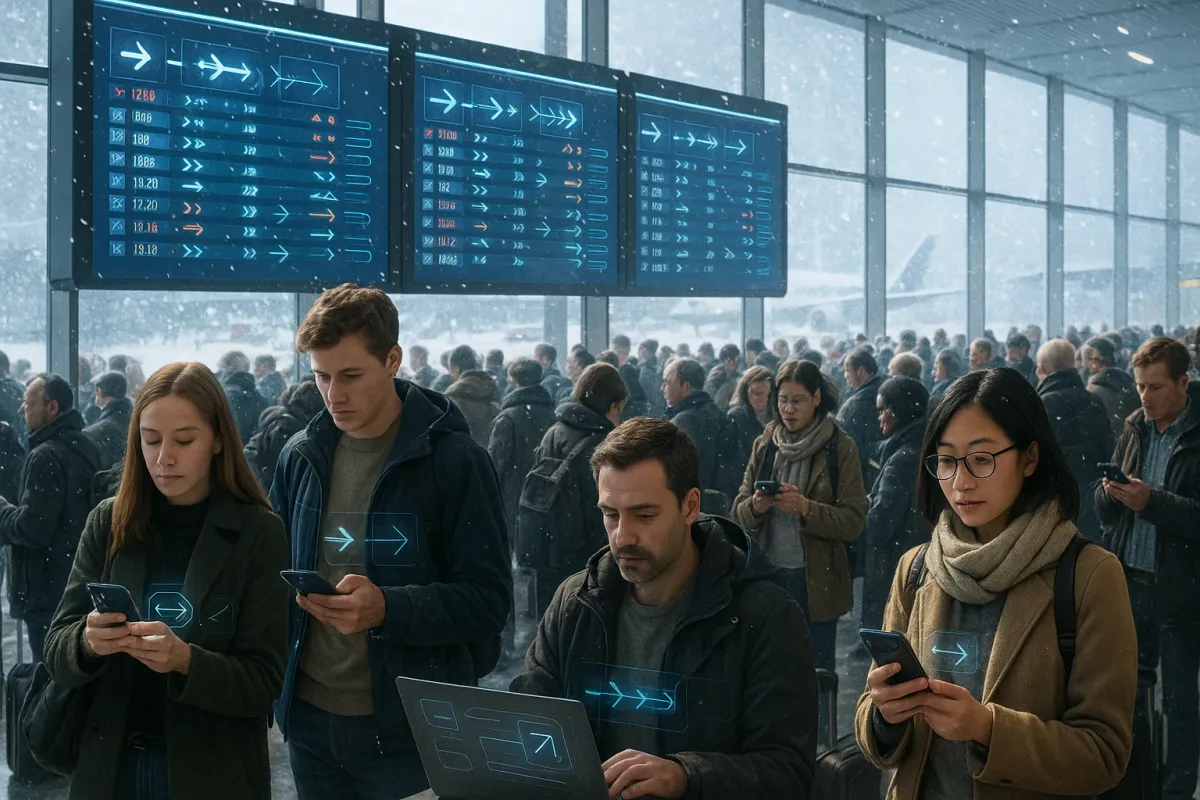
Airports are packed, flights are overbooked, and yet people are calmly tracking bags on their phones, auto-rescheduling flights, and sharing live ETAs with family in two taps. That’s not just “travel tech”—it’s a masterclass in how next-gen SaaS is being built: chaotic real world, insanely smooth digital layer. Let’s unpack the five biggest software trends hiding inside this holiday travel madness—and what they mean for every SaaS product going into 2026.
1. The “Travel Stack” Is Now a Personal Control Center
Holiday travelers aren’t using one app; they’re running a full-blown stack: airline app + maps + weather + language tools + expense trackers + smart luggage dashboards. And here’s the kicker—they expect it all to sync, talk, and update in real time while they sprint between gates.
This is exactly where SaaS is heading. Your users don’t want a “tool” anymore; they want a control center that orchestrates everything around it. Think how TripIt pulls reservations from email, how Google Maps layers live transit updates, or how Apple Wallet centralizes boarding passes and hotel keys. That same orchestration mindset is bleeding into B2B SaaS: CRMs that auto-sync with support tools, billing that speaks to product analytics, HR platforms that act like mission control for the entire employee journey. The winners in 2026 won’t be the “best point solution”—they’ll be the software that feels like the cockpit, not just another blinking instrument.
2. From Travel Anxiety to “Default Calm” UX
Holiday travel is pure anxiety fuel: delays, lost bags, missed connections. Yet the tech that’s going viral isn’t the flashiest—it’s the calmest. Luggage trackers that just silently ping “your bag is with you.” Flight apps that proactively notify you before a gate change is announced. Route planners that say, “Leave in 8 minutes to arrive on time,” instead of throwing a map in your face.
This is the new SaaS UX standard: default calm. Users are done with noisy dashboards, 99 alerts, and blinking red charts. They want interfaces that predict stress moments and smooth them out before panic kicks in. Think business tools that auto-prioritize tasks based on impact, billing platforms that pre-warn you about upcoming overages with options—not threats, incident tools that talk in human language instead of error codes. The products that feel like the opposite of a crowded TSA line? Those are the ones people will pay for, recommend, and rely on daily.
3. Offline-First Is Back—and It’s a Power Move
In airports, trains, and random Wi-Fi dead zones, travelers are rediscovering an ancient tech truth: offline still matters. The hottest travel apps right now quietly support offline boarding passes, locally cached tickets, pre-downloaded maps, and itineraries that don’t implode when the signal dies. Nobody brags about it in ads—but in the real world, it’s the difference between catching a flight and screaming at a spinning loader.
SaaS is relearning this lesson fast. As more teams go remote and mobile, tools that degrade gracefully offline are becoming non-negotiable: sales reps logging notes on planes, field teams syncing data from dead zones, founders reviewing metrics on the subway. That means smarter local caching, background sync, and “offline modes” that are more than a sad read-only view. In 2026, “always on” won’t just mean server uptime; it’ll mean user uptime, even when the network ghosts them.
4. Hardware + SaaS = The New Sticky Ecosystem
Look at the current travel boom: AirTags, Tile, smart suitcases, Bluetooth translators, eSIM gadgets. Notice the pattern? The hardware is just the hook. The real value—and stickiness—lives in the software: dashboards that show everything in one view, automation that kicks in based on location, sharing features for families and teams.
This hardware–software fusion is quietly resetting expectations for all SaaS. Even if you never ship a physical device, users now expect your app to feel “sensor-aware”: location, motion, environment, status. Think field service tools pulling data from IoT sensors, logistics platforms tapping GPS and temperature monitors, workplace apps integrating with access badges, kiosks, and devices. The travel space is proving that when software steps into the physical world, retention skyrockets—because it’s no longer “nice-to-have”; it literally moves people and things.
5. Micro-Automations Are Replacing Big, Bloated Workflows
Holiday travelers aren’t building Zapier-level automations while they stand in security lines. But their apps are quietly automating dozens of micro-moments: auto-filling passport details, saving frequent traveler info, pre-selecting favorite seats, nudging them when it’s time to check in, and even auto-expensing trips based on receipts in their inbox.
This is the next wave for SaaS: invisible micro-automations baked into the core product, not bolted on as an “advanced config” feature. Think of tools that: auto-tag customer conversations based on intent, draft follow-up emails after calls, clean data as it’s entered, or suggest the next best action instead of asking users to build flows manually. The winning SaaS products will feel like that one travel app that “just handles it” every trip. Automation is going from “builder playground” to “default product behavior”—and that is a massive shift.
Conclusion
Today’s holiday travel chaos is tomorrow’s SaaS roadmap. The gadgets and apps trending right now around airports and train stations are quietly setting baseline expectations for all software in 2026: orchestration over isolation, calm over chaos, offline resilience, real-world awareness, and built-in micro-automation.
If your product can survive a red-eye connection through three time zones and spotty Wi-Fi, it can survive anything your users throw at it. Watch the travel space closely—it’s not just moving people, it’s moving the entire SaaS industry one delayed flight at a time.
Key Takeaway
The most important thing to remember from this article is that this information can change how you think about Software Trends.